Q.1: Who invented the first computer mouse in the year of 1964, which was made of wood? a) Douglas Engelbart b) John Manchly c) J. […]
SBI Jobs and Recruitment 2026, Over 8000 vacancies
Seeking best job in government banking sector? Here is an opportunity for you. The State Bank of India,…
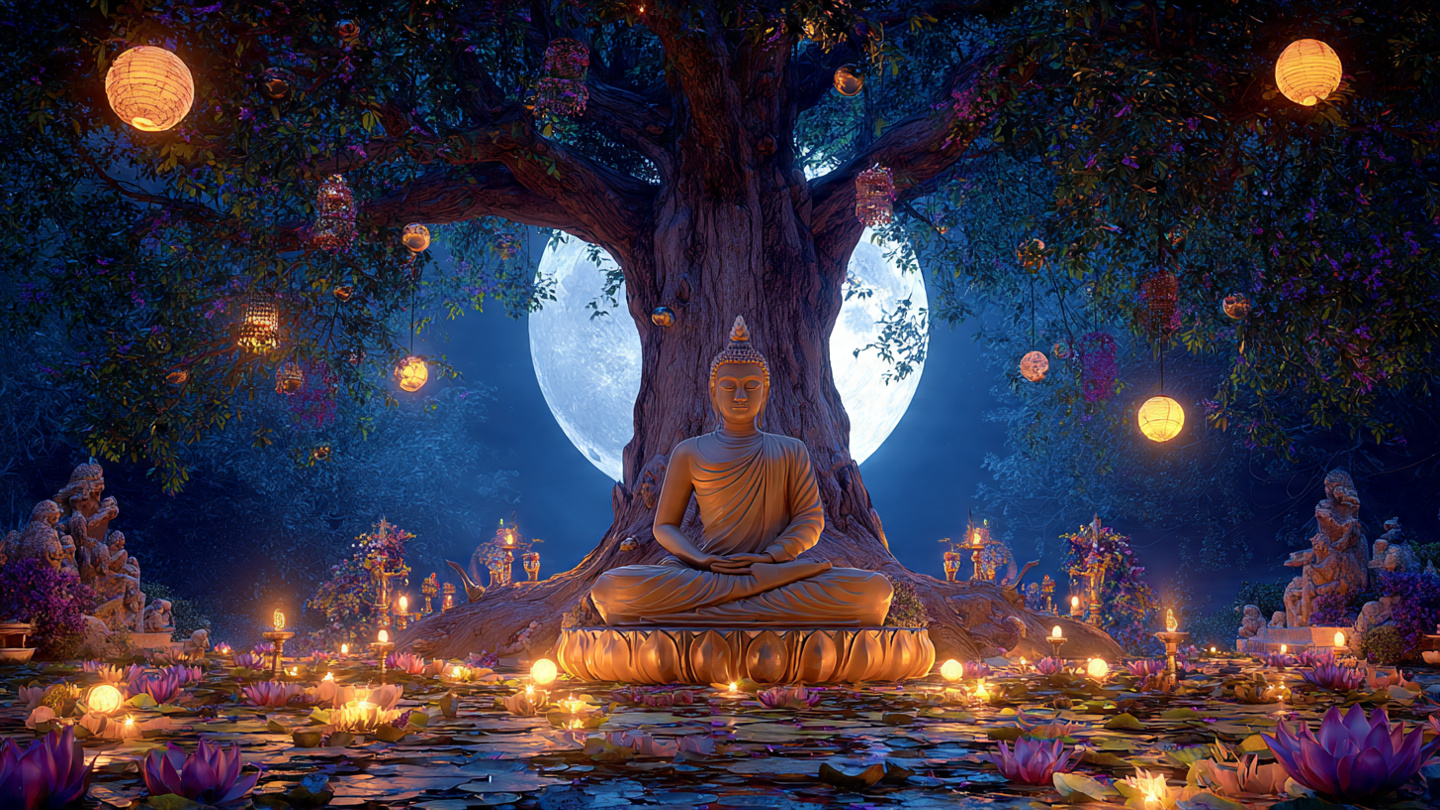
Buddha Purnima: Principles of Pancha Sila (Five Precepts)
Buddha Purnima, also known as Buddha Jayanti or Vesak, is one of the most sacred and significant festivals…
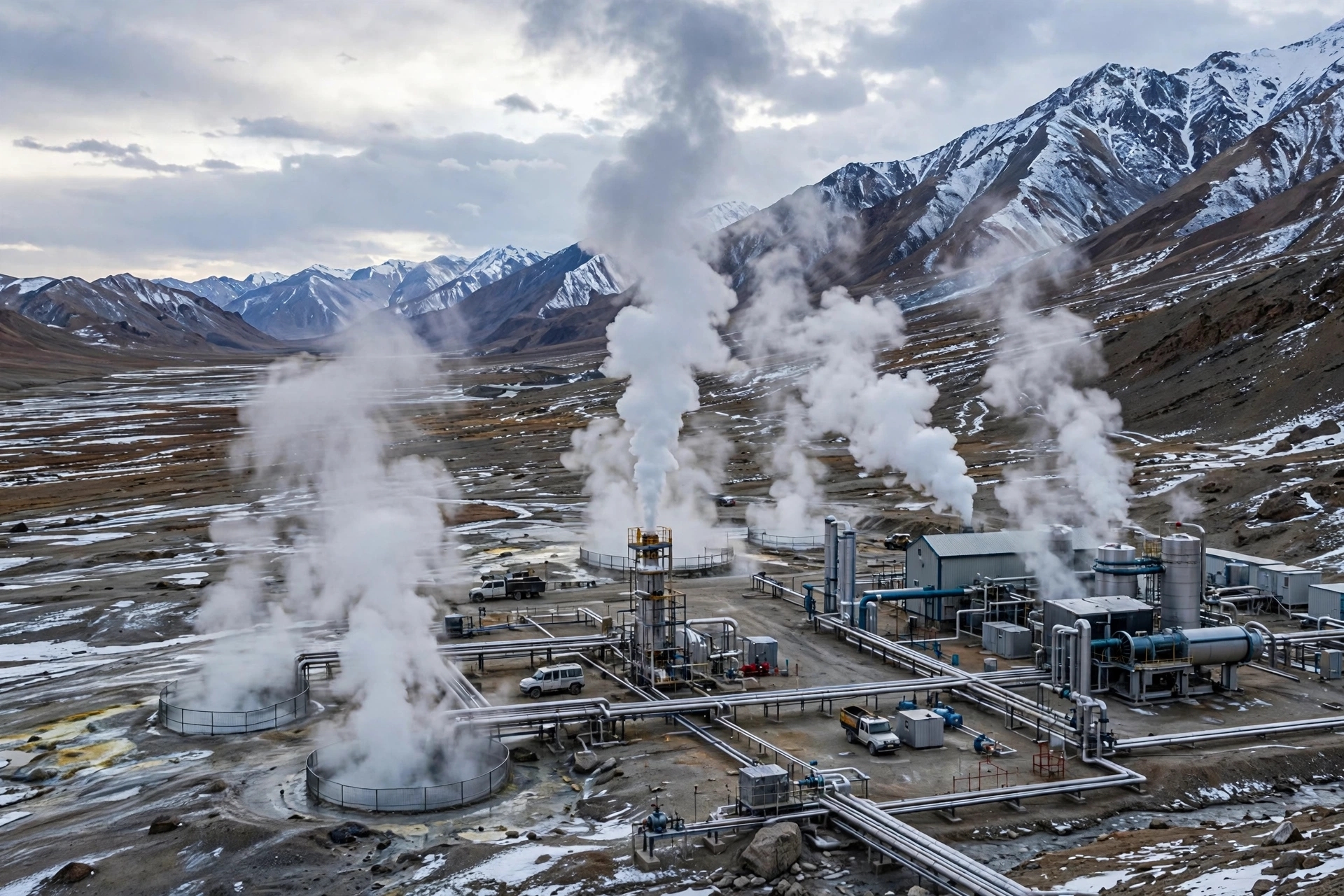
लद्दाख में भारत के पहले जियोथर्मल पावर प्रोजेक्ट की तैयारी तेज
लद्दाख की पुगा वैली में भारत के पहले जियोथर्मल पावर प्रोजेक्ट को लेकर बड़ी प्रगति हुई है। यह प्रोजेक्ट ONGC Energy Centre द्वारा लद्दाख प्रशासन […]
Airport Authority of India Recruitment 2026: 389 Manager and Junior Executive Posts Announced
The Airports Authority of India (AAI), a Miniratna – Category-I Public Sector Enterprise under the Ministry of Civil Aviation, Government of India, has invited online […]
BHU invites applications for Teaching Associate vacancies
Want to teach in a prestigious University in India! Then here is an opportunity for you. Banaras Hindu University invites online applications for different subjects. […]
SBI Jobs and Recruitment 2026, Over 8000 vacancies
Seeking best job in government banking sector? Here is an opportunity for you. The State Bank of India, biggest public sector bank invites applications for […]
Admission open for certificate course in Chinese language and others in CUHP
The Central University of Himachal Pradesh (CUHP) has started certificate course in Chinese language. The minimum qualification for this course will be higher secondary. The […]
The University of Melbourne Human Rights Scholarship 2026
The University of Melbourne, Australia announced Human Rights Scholarships 2026. Last date to submit the application is Oct 31st, 2026. This scholarship is meant for […]
Sir Ratan Tata Visiting Fellowship at London School of Economics – 2026
Sir Ratan Tata Visiting Fellowships 2026 Applications are invited for the Sir Ratan Tata Visiting Fellowships 2026 at the London School of Economics and Political […]
Indian Gazette – 2nd Newspaper published from India
Q.1: Who made a first attempt to start a newspaper in 1776 in India? a) William Bolts b) James Augustus Hicky c) Warren Hastings d) […]
Nehru: “The Rashtrapati”, The Congress Bible
Q.1: Read the following statements: Assertion (A): Nehru’s editorials during the 1950s often focused on the “Five-Year Plans.” Reason (R): He used the press as […]